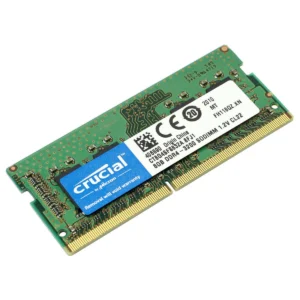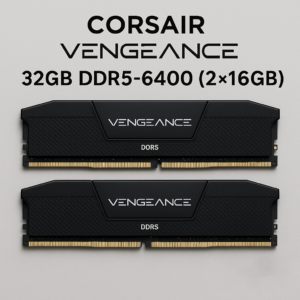


Description
Category: High-Grade Computer Scrap / E-Waste
Condition: End-of-life, non-working, or obsolete IT assets
DDR4 (Double Data Rate 4) 2666MHz memory modules are among the most common components recovered from modern enterprise and consumer electronics. Found in desktops, laptops, and servers manufactured between 2017 and the early 2020s, these modules are now entering the e-waste stream in massive volumes as businesses execute routine IT infrastructure upgrades.
For electronics recyclers, DDR4 RAM represents a highly desirable, high-yield scrap category due to its dense concentration of precious and non-ferrous metals.
Scrap Value & Material Profile
Memory modules are considered High-Grade E-Scrap and command premium pricing by weight compared to standard motherboards or peripheral boards.
-
Gold-Plated Edge Contacts (“Fingers”): DDR4 modules feature dense pin counts (288 for desktops, 260 for laptops). These contact points are plated with high-purity gold to prevent oxidation and ensure conductivity, making them highly valuable for chemical gold stripping and recovery.
-
Integrated Circuit (IC) Chips: The black silicon memory arrays soldered to the board contain microscopic gold bonding wires, as well as trace amounts of silver and palladium within the internal architecture.
-
Printed Circuit Board (PCB): The green, black, or blue fiberglass substrate is heavily laced with copper traces and vias, providing excellent secondary base-metal recovery value.
-
Surface Mount Devices (SMDs): Micro-capacitors and resistors on the module contain valuable trace metals, including palladium and silver.
Sorting & Identification
DDR4 2666MHz modules come in several form factors. When sorting for bulk processing, they are typically classified by their physical size and application:
| Form Factor | Primary Device | Pin Count | Scrap Characteristics |
| UDIMM | Desktop PCs | 288-pin | Standard weight; consistent gold finger yield. Often found with or without aluminum heat spreaders. |
| SO-DIMM | Laptops / Mini PCs | 260-pin | Lighter weight per unit, but higher density of gold contacts per kilogram of scrap. |
| RDIMM / LRDIMM | Servers / Workstations | 288-pin | Highest value per module. Contains an extra register chip and often more memory ICs, increasing the overall precious metal content. |